

Some films impress. A few films linger. And every once in a while, a short film comes along that barges into the festival circuit with so much emotional force that critics collectively stop, stare, and whisper, “Well, that ruined me for the day.” Mike Clarke’s Make Believe has done exactly that, sweeping up glowing four and five star reviews from major outlets who cannot decide if they should applaud it, cry over it, or phone a friend to warn them about the emotional destruction awaiting them.
Critics from Take 2 Indie Review, Screen Critix, UK Film Review and Indy Red have all come forward with the same basic message. This film hurts. And it hurts beautifully.
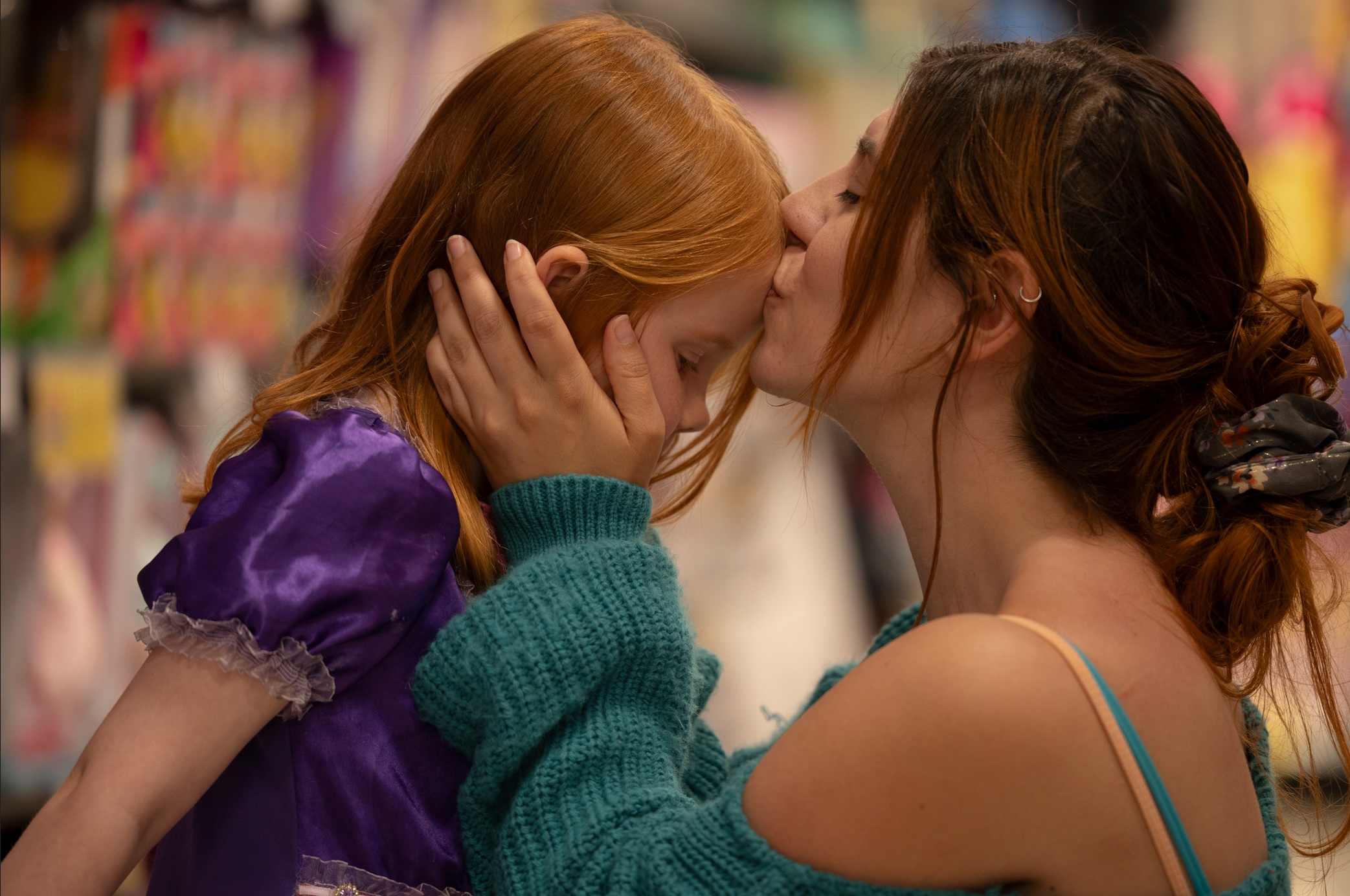
The story follows Shelly, a young single mother played by Sophia Leanne Kelly, who is trapped in a day so bad even the universe would look at her circumstances and say, “Come on, give the woman a break.” She is out of work, broke, behind on bills, and unable to even afford food for her daughter Daisy, played with remarkable innocence by Anastasia Hesketh. As the day unravels, Shelly desperately shields Daisy from the harsher truths using imaginative play, turning bleak experiences into fairy tales. Critics unanimously praised this emotional duality.
Take 2 Indie Review called the film “a harrowing and heartfelt story” and singled out Kelly’s performance as “the beating heart of the film.” They described Daisy’s princess games as both a shield against reality and a reminder of how fragile that shield truly is. They also praised the cinematography and colour design, noting how Daisy’s bright dress and playground colours contrast with the bleak environment around her.
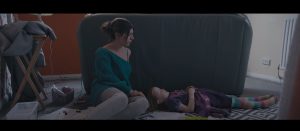
Screen Critix echoed that emotional punch with what can only be described as one long, continuous gasp. They wrote, “There is a moment in Make Believe when a mother tells her daughter to play Sleeping Beauty and stay sleeping no matter what. On the surface, it is tender. Underneath, it is heart-rending.” The review emphasised how Clarke balances realism with fleeting moments of magic, creating a rhythm that feels painfully true to what living through poverty actually feels like. They hailed Anastasia Hesketh as “remarkable” and praised Clarke’s refusal to exploit the characters for melodrama.

UK Film Review highlighted the film’s structure, describing it as “a road movie of desperation,” with Shelly and Daisy drifting from one uncomfortable encounter to the next. They praised the long takes, the quiet soundscape, and the raw performances. Their review points out that the film’s heaviest dramatic weight comes from the simple, devastating sight of a child being pulled through situations she should never have to witness.
Indy Red, meanwhile, had a field day describing the emotional carnage. They began by stating, “I do not know that there is a scarier level to reach as a young parent than wondering how you will feed your child.” They praised the film’s realism, saying it was so authentic that viewers will swear they have met a Shelly at some point in their lives. They also gave Clarke high praise for refusing to take the easy narrative route. “Clarke does not make this snapshot of life easy on you. His film is savagely sad, but so very real.” They raved about Sophia Leanne Kelly’s ability to make the audience yell at the screen in frustration while still fully empathising with her predicament. The reviewer also singled out Jacob Anderton’s chilling role as Col, calling one of his scenes “enough to terrify every parent alive.”
One of the strengths all critics agreed on is Clarke’s refusal to soften the truth. The drama escalates to a finale that leaves viewers debating whether Shelly’s final actions mark her downfall or her salvation. Indy Red described the ending as “remarkable” and added, “It is the perfect way to end it, even though you will want to turn off your screen and sigh heavily for the night.”
Across the board, reviewers applauded the performances, direction, realism and emotional impact, with many comparing Clarke’s work to British social realist greats like Ken Loach and Andrea Arnold. What stands out most is how each critic arrived at the same conclusion. Make Believe is powerful, it is honest, and it is going to stay with audiences long after its short run time fades to black.
If the measure of success for a short film is how deeply it embeds itself under a viewer’s skin, then the verdict is unanimous. Make Believe is a triumph.
Leave a Reply